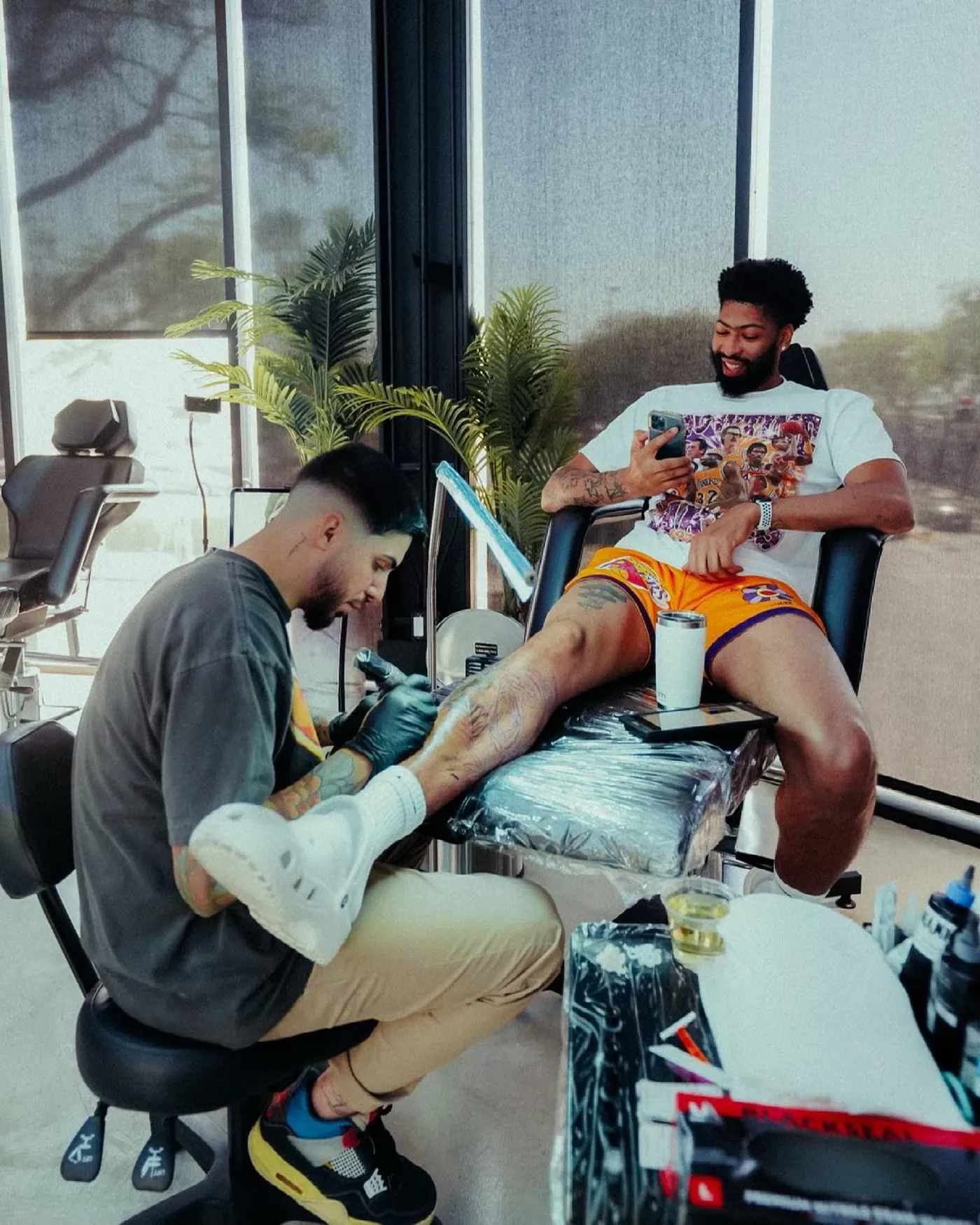
A no-show doesn't just cost you the hour. It costs the design prep you did beforehand, the stencil you cut that morning, the grace period you waited before you could confirm they weren't coming, and the slot you probably can't refill on short notice. Run that across a full books week and it's not an inconvenience — it's a number.
The math nobody runs
Industry data puts typical no-show rates at 8–20% for appointment-based businesses. Apply that to a realistic week — two artists tattooing at $150/hour, five sessions each per week — and a 10% no-show rate works out to roughly $1,200 a month in sessions that simply didn't happen. That figure is a US-market industry example, not a claim about your specific numbers, but the shape of it holds everywhere: a no-show rate that feels small on paper is a real monthly cost once you do the multiplication.
Why clients no-show isn't usually malice — it's mostly predictable:
- Forgetfulness, plain and simple.
- Price shock after the quote lands.
- Pre-session anxiety, especially first-timers facing a custom piece.
- A schedule conflict that came up in the gap between booking and the session date.
- Simple reluctance to have the "can we reschedule?" conversation — easier to just not show.
The deposit policy that actually works
A deposit that isn't clearly non-refundable doesn't secure commitment — it's a formality clients mentally discount the moment they're tempted to skip. Industry guidance consistently points to the same shape of policy: 25–50% of the expected total, non-refundable for no-shows and short-notice cancellations, collected at the moment of booking rather than chased afterward.
Reminders matter too, but the channel matters more than people assume. SMS is cited at a 98% open rate, read within three minutes on average, versus roughly 20% for email. A study in BMC Health Services Research found that multiple reminders led to significantly lower missed-appointment rates across appointment-based industries generally. Taken together, industry sources report 40–60% fewer no-shows once a consistent deposit-plus-reminder system is in place — that's third-party data on appointment-based businesses broadly, not a claim Inky is making about its own users.
What this looks like built in
A policy only works if it's enforced the same way every time, which is hard to do manually when you're also the one holding the needle. Inky's booking widget takes a Stripe deposit at the moment a client books — not after — and the no-show policy you set is applied automatically: forfeited on a no-show or late cancel, per your own rule, every time. That's part of the free Starter plan.
The automated reminder side — SMS and email reminders sent on a schedule you don't have to remember — sits in Inky's Professional plan ($29/month), alongside birthday outreach and review requests. If chasing reminders manually is the part costing you the most time, that's the tier worth a look.
See full pricing → · Free plan - no card required.