Biomechanical tattoos are one of the most unique and futuristic tattoo styles, blending human anatomy with mechanical elements to create striking designs. As a tattoo artist, working in this style can be incredibly rewarding, but it also requires precision, attention to detail, and a deep understanding of both anatomy and machinery. For clients, biomechanical tattoos are a bold way to express individuality, combining organic and mechanical aesthetics into a truly custom piece of art.
In this blog, we’ll dive into the world of biomechanical tattoos, explore the style’s history and techniques, and discuss how to create stunning biomechanical tattoos that will impress your clients. Plus, we’ll show you how Inky’s tools can help manage custom tattoo designs and client preferences, making the process smoother for both you and your clients.
What Are Biomechanical Tattoos?
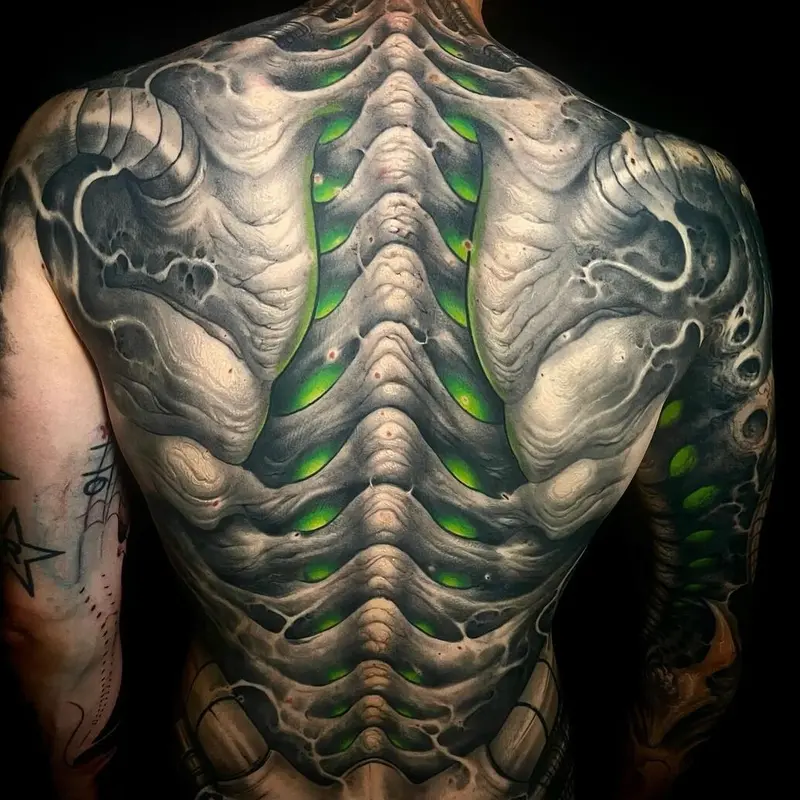
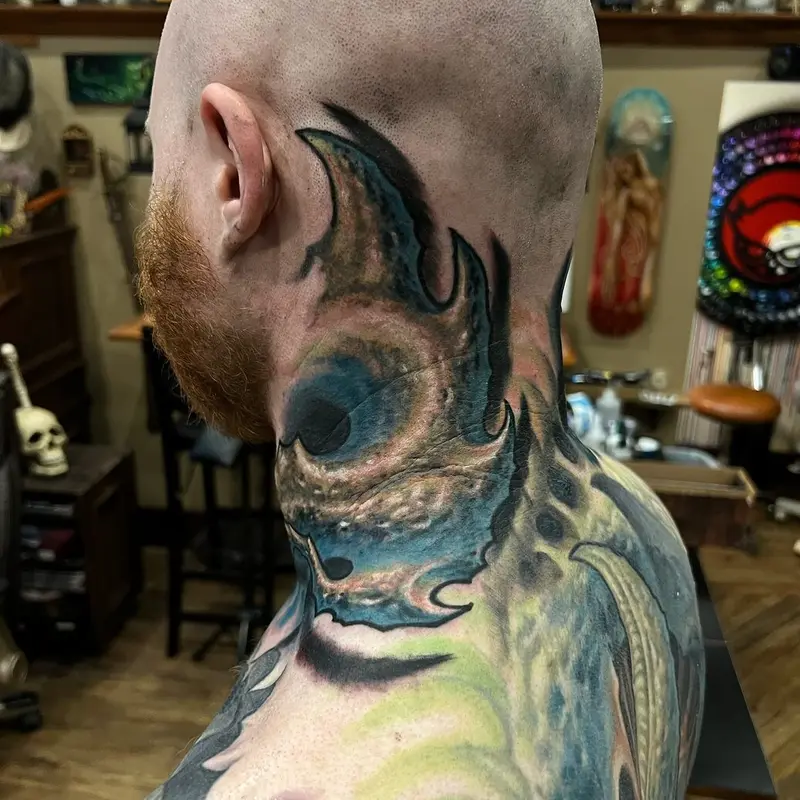
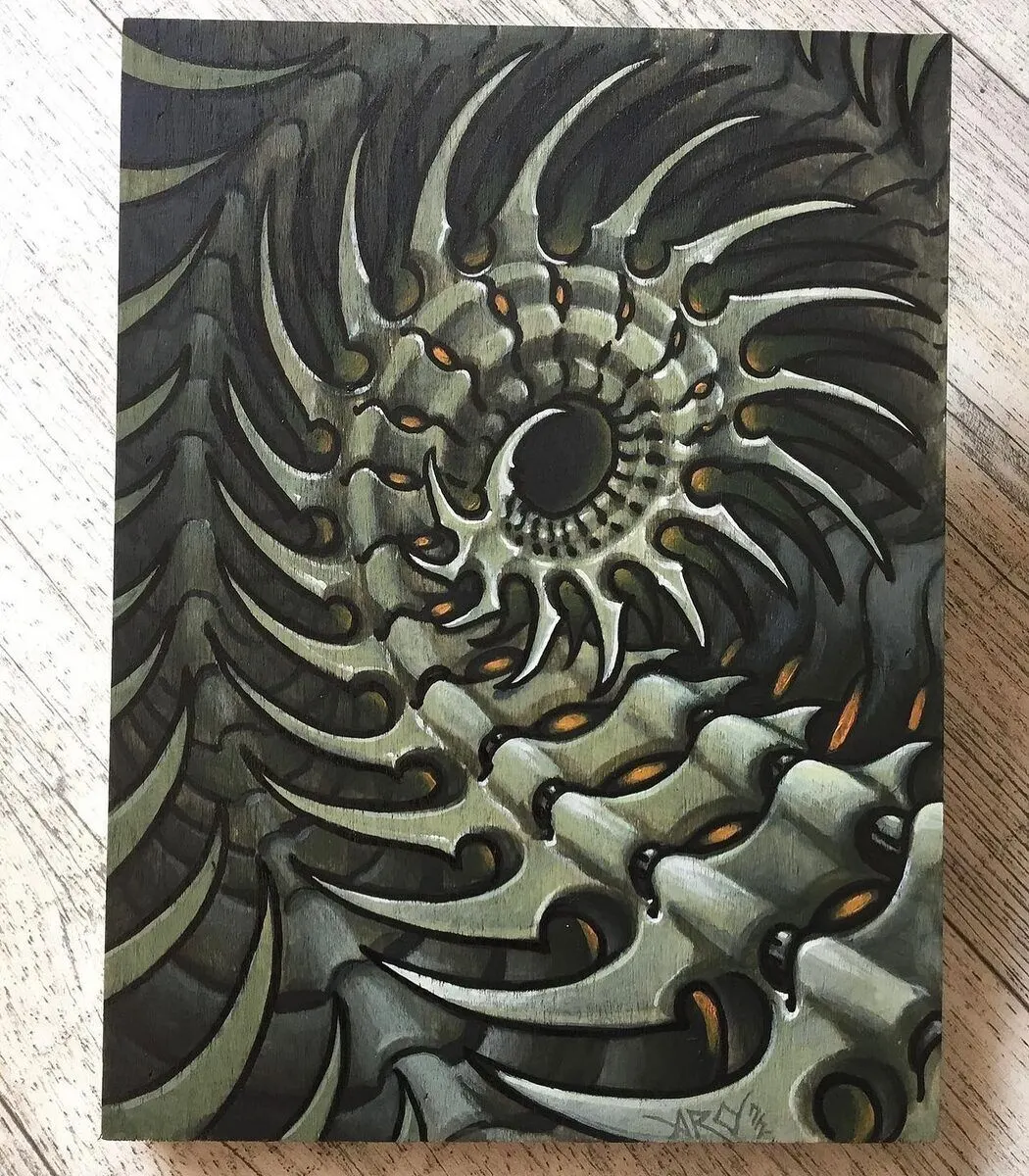
Biomechanical tattoos are characterized by their combination of organic, human like forms and mechanical elements, often resembling the appearance of machinery embedded under the skin. These tattoos make use of shading, highlights, and intricate details to create the illusion that mechanical parts are integrated with the human body. The result is a strikingly realistic and futuristic tattoo that can appear to be alive and moving.
The biomechanical tattoo style draws inspiration from cyberpunk aesthetics, steampunk, and organic design, often featuring elements like gears, pipes, pistons, and futuristic machinery blending seamlessly with the skin. This style is typically found in larger pieces like full sleeves, back pieces, and chest designs, where the mechanical and organic parts can flow naturally around the contours of the body.
The Origins of Biomechanical Tattoos
The biomechanical tattoo style began to gain popularity in the 1980s, inspired by the works of artists like H. R. Giger, the Swiss artist behind the design of the Alien creature in the iconic film series. Giger’s work seamlessly blended the human form with futuristic technology, giving rise to a style that was both disturbing and captivating. Tattoo artists soon began to experiment with biomechanical themes, blending realistic depictions of human anatomy with industrial and mechanical elements.
Today, biomechanical tattoos are a staple in the tattoo community, known for their intricate detail, striking visuals, and futuristic flair.
Popular Biomechanical Tattoo Designs
Biomechanical tattoos can be highly personalized, with a wide range of designs suited to different tastes and body placements. Here are some common biomechanical tattoo elements:
- Gears and Pistons: Common in larger tattoos, these elements mimic the look of machinery embedded in the skin. They can be designed to move with the body’s natural motion.
- Cyborg Limbs: Tattoo designs that mimic mechanical arms, legs, or other body parts, often creating the illusion that the skin is peeling back to reveal robotic components underneath.
- Biomechanical Skeletons: Some biomechanical tattoos feature skeletal designs fused with machinery, creating the illusion of a hybrid human-robot structure.
- Industrial Components: Pipes, cables, and metal plates can be incorporated into tattoos, often following the natural curves and muscles of the body to create the illusion of integration.
Techniques for Creating Biomechanical Tattoos
Biomechanical tattoos require a high level of technical skill and attention to detail. Here are some key techniques tattoo artists use when creating biomechanical designs:
- Shading and Highlights: Shading is crucial in biomechanical tattoos to create the illusion of depth and movement. Well-executed shading can make mechanical parts appear to be embedded in the skin, while highlights can add to the realism.
- Realistic Detail: The key to a successful biomechanical tattoo is the amount of detail put into each element. This involves using fine lines, gradients, and realistic textures to create a tattoo that appears lifelike and dynamic.
- Placement and Flow: Biomechanical tattoos often follow the natural flow of the body’s muscles and contours. The design should be tailored to fit the individual’s body shape, creating a tattoo that feels organic rather than forced.
- Incorporating Movement: A great biomechanical tattoo appears as if the machinery is moving beneath the skin. Artists can use techniques such as shadowing and layering to create a sense of movement, making the tattoo feel dynamic.
Inky Tip: When discussing biomechanical tattoo designs with clients, encourage them to explore your portfolio using Inky’s Portfolio Builder. This allows them to view your past biomechanical tattoos, ensuring their vision aligns with your style and expertise.
Biomechanical Tattoo Placement
Biomechanical tattoos are typically large-scale designs that require careful consideration of placement. Common areas for biomechanical tattoos include:
- Arms and Sleeves: Full sleeve biomechanical tattoos are incredibly popular, as the design can wrap around the arm and integrate with the natural flow of muscles and bones.
- Back Pieces: The back is a large canvas that can accommodate intricate biomechanical designs, making it an ideal area for detailed work like cyborg spinal columns or machinery integrated with the ribs.
- Chest and Torso: Biomechanical chest pieces can incorporate both organic and mechanical designs that flow naturally with the contours of the chest and ribcage.
Before starting a biomechanical tattoo, it’s crucial to discuss placement with the client. This ensures that the design will fit the body in a way that enhances the natural flow and highlights the details of the artwork.
How Inky Can Help with Biomechanical Designs
At Inky, we understand that biomechanical tattoos are some of the most intricate and detailed designs you’ll create. Here’s how Inky’s features can help you manage biomechanical designs more efficiently:
- Client Profiles: Store important design preferences, past tattoo designs, and ideas for future sessions. Keep track of each client’s preferences for biomechanical elements, ensuring a personalized experience.
- Portfolio Builder: Showcase your previous biomechanical tattoos to help clients get inspired and understand your artistic style. This tool makes it easier to manage your portfolio and share your work with clients.
- Session Tracking: Keep clients informed about how long their biomechanical tattoo will take with Inky’s Session Tracking. This feature allows you to track the progress of large, detailed tattoos, keeping clients comfortable and informed throughout the process.
Why Choose Biomechanical Tattoos?
Biomechanical tattoos offer a unique and futuristic look that stands out from traditional tattoo designs. They combine creativity, realism, and technical skill, making them a popular choice for clients who want a tattoo that’s both artistic and dynamic. These tattoos are perfect for anyone looking for a design that pushes the boundaries of conventional ink, blending the organic with the mechanical in a stunning visual way.
As a freelance tattoo artist, biomechanical tattoos provide a challenging yet rewarding artistic outlet. With Inky’s tools, you can streamline the design process, maintain clear communication with clients, and ensure the highest quality of work for every biomechanical piece you create.
Conclusion: Bring the Future to Life with Biomechanical Tattoos
Biomechanical tattoos offer a captivating fusion of art and technology, creating designs that are both striking and thought-provoking. Whether you're an artist specializing in biomechanical tattoos or a client interested in this cutting edge style, clear communication and technical skill are essential to achieving a stunning result.
Ready to dive into the world of biomechanical tattoos? Start using Inky today to enhance your practice’s workflow, manage custom designs, and create extraordinary tattoos that push the boundaries of art and technology.