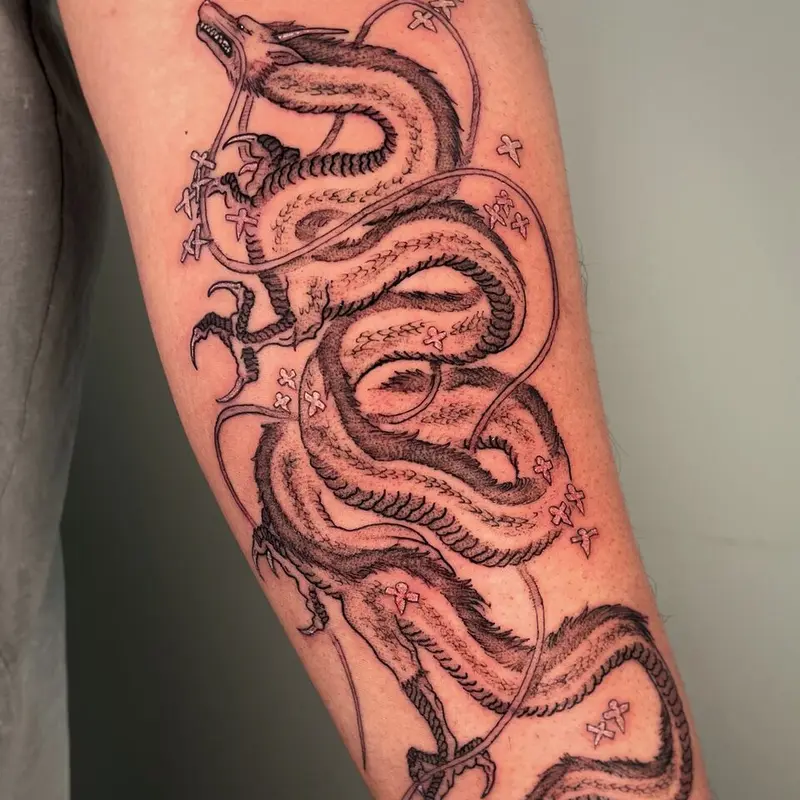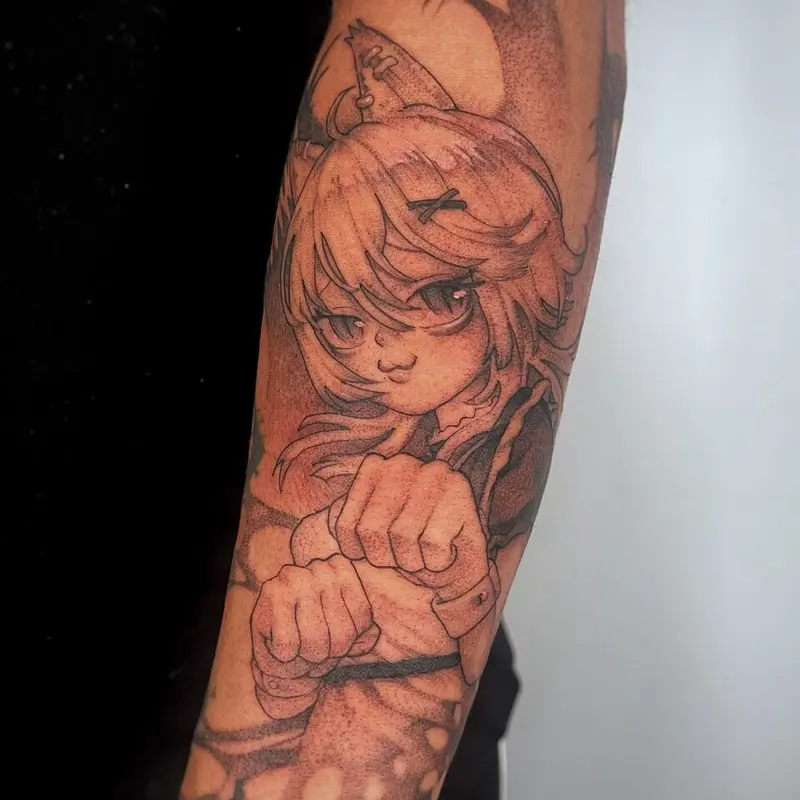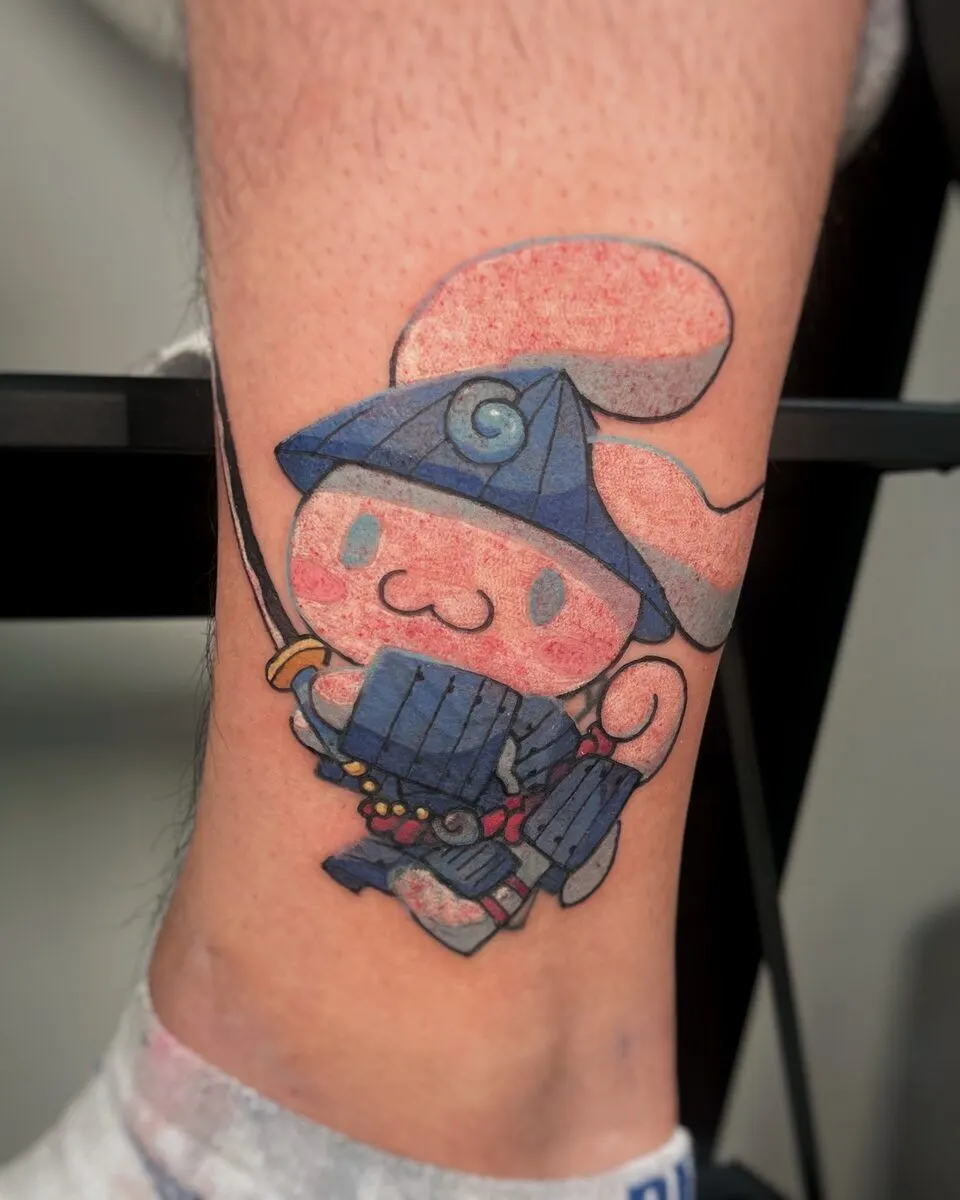
Illustrative tattoos are one of the most versatile and visually captivating styles in the tattoo world. Combining detailed linework, shading, and a wide range of artistic techniques, illustrative tattoos stand out for their ability to transform intricate designs into lifelike and imaginative pieces of art. This style allows for creative freedom and personal expression, blending fine art with the power of ink.
In this blog, we’ll dive into the essence of illustrative tattoos, explore the key features that define the style, and guide you on how to create stunning, detailed tattoos that captivate and inspire. Plus, we’ll show you how Inky’s tools can streamline your design process, improve client communication, and enhance the tattoo experience for illustrative tattoos.
What Are Illustrative Tattoos?
Illustrative tattoos are known for their focus on detail, linework, and intricate shading, often featuring elements drawn from nature, surrealism, and fine art. These tattoos are characterized by their creative use of lines, shapes, and textures to form detailed, visually striking designs that appear like illustrations or sketches on the skin.
Unlike traditional tattoo styles, which focus on bold lines and solid colors, illustrative tattoos allow for more artistic flexibility. Artists use various techniques such as stippling, cross-hatching, and blending to create depth, texture, and realism. Illustrative tattoos can range from highly detailed portraits to abstract designs, making them ideal for clients looking for something unique and visually complex.
The Origins of Illustrative Tattoos
Illustrative tattoos have evolved as tattoo art has become more integrated with other forms of visual art. The style draws from a rich history of illustration, sketching, and fine art, influenced by artists from the Renaissance to modern-day graphic artists.
Tattoo artists began embracing the illustrative style in the late 20th century, incorporating elements from their artistic backgrounds into their tattoo work. By merging traditional tattoo techniques with modern illustration methods, the illustrative tattoo style emerged as a unique and creative way to express detailed, visually rich designs.
While illustrative tattoos may not have the same historical origins as styles like traditional or tribal tattoos, they have quickly become a prominent and highly respected tattoo form, prized for their artistic depth and versatility.
Key Features of Illustrative Tattoos
Illustrative tattoos are defined by their attention to detail, linework, and the use of various artistic techniques. Here are the key features that define the style:
Detailed Linework
Illustrative tattoos rely heavily on clean, detailed linework to create structure and definition within the design. The lines may be bold or fine, depending on the design, but they’re always crucial for bringing the tattoo to life. Artists use these lines to define elements and create intricate, elaborate patterns.
Shading and Texture
Shading plays a significant role in illustrative tattoos, helping to create depth and dimension within the design. Illustrative tattoos often incorporate various shading techniques like stippling (dots) and cross-hatching (intersecting lines) to create texture and give the design a sense of realism or artistic flair. Shading adds complexity and dimension, making the tattoo feel more dynamic and engaging.
Surreal and Imaginative Themes
Illustrative tattoos often feature surreal, dreamlike, or abstract themes that allow the artist to push creative boundaries. These tattoos are a way to explore personal stories, fantasy, nature, or anything that inspires artistic expression. While they can be highly realistic, illustrative tattoos are also a platform for imaginative, otherworldly designs that mix reality with fantasy.
Fine Art Influence
Illustrative tattoos often draw inspiration from fine art, including illustrations, sketches, and paintings. This influence gives the tattoos a polished, artistic feel, as if they were directly taken from a piece of art and transferred onto the skin. The tattoo may resemble a detailed pencil drawing, an etching, or a painting, depending on the artist’s technique.
Incorporation of Geometric Shapes
Many illustrative tattoos blend natural forms with geometric shapes, such as circles, triangles, and lines, adding a modern, clean aesthetic to the design. Geometric elements help balance the organic flow of the tattoo while creating a more structured, visually appealing composition.
Techniques for Creating Illustrative Tattoos
Illustrative tattoos require a high level of skill and precision to achieve the detail and depth that define the style. Here are some key techniques used in illustrative tattooing:
- Detailed Linework: Clean, precise lines are essential for the success of an illustrative tattoo. The artist must have control over their tattoo machine to create sharp, defined lines that bring the design to life.
- Stippling and Cross-Hatching: Stippling and cross-hatching are two popular shading techniques used in illustrative tattoos. These techniques use small dots or intersecting lines to create shading, texture, and depth in the design.
- Smooth Shading: In addition to stippling and cross-hatching, smooth shading is often used to create gradient effects and add dimension to the tattoo. Artists use soft shading to transition from light to dark, creating a realistic or stylized look.
- Use of Negative Space: Illustrative tattoos often utilize negative space (the areas left uninked) to create contrast and balance. Negative space can be used to highlight certain elements of the design and allow the other details to stand out more.
Inky Tip: Encourage your clients to explore your portfolio using Inky’s Portfolio Builder to see how you’ve integrated intricate linework, shading, and texture in your illustrative tattoos. This helps clients understand your style and sets expectations for their own tattoo design.
Popular Designs for Illustrative Tattoos
Illustrative tattoos are incredibly versatile and can be adapted to any theme or subject matter. Here are some of the most popular designs for illustrative tattoos:
- Portraits: Illustrative tattoos often feature highly detailed portraits of loved ones, celebrities, or fictional characters. These tattoos use precise linework and shading techniques to capture facial features, creating lifelike or stylized representations.
- Nature and Wildlife: Illustrative tattoos often depict animals, plants, and landscapes in intricate detail. From realistic depictions of animals to abstract representations of nature, these tattoos bring the natural world to life with lines, shading, and texture.
- Fantasy and Surreal Designs: Many illustrative tattoos draw inspiration from fantasy art, surrealism, and dreamlike imagery. These tattoos often feature imaginary creatures, mystical landscapes, and otherworldly elements, allowing for creative and expressive designs.
- Geometric and Abstract Patterns: Illustrative tattoos can also feature geometric shapes and abstract patterns, often combining the precision of geometry with the fluidity of organic forms. These tattoos are perfect for clients seeking a modern, artistic tattoo with clean lines and structure.
- Religious and Spiritual Symbols: Illustrative tattoos often incorporate religious or spiritual symbols, such as mandalas, sacred geometry, or deities. These tattoos use detailed linework and shading to enhance the symbolic meaning of the design.
How Inky Can Help with Illustrative Tattoo Designs
Creating illustrative tattoos requires precision, creativity, and client communication. Here’s how Inky’s tools can help streamline your process and improve the tattoo experience:
- Client Profiles: Use Inky’s Client Profiles to track design preferences, reference images, and specific requests for illustrative tattoos. This ensures that each tattoo is personalized to the client’s vision and style.
- Portfolio Builder: Showcase your best illustrative tattoos with Inky’s Portfolio Builder. This allows clients to browse your previous work, giving them a clear sense of your artistic style and level of detail.
- Session Tracking: Illustrative tattoos can take several hours, so use Inky’s Session Tracking to keep clients informed about progress, pricing, and session timelines.
Why Choose Illustrative Tattoos?
Illustrative tattoos are perfect for clients who want a tattoo that’s both artistic and meaningful. Here’s why illustrative tattoos continue to be a popular choice:
- Artistic Expression: Illustrative tattoos allow clients to showcase their unique creativity and imagination. The style is a perfect fit for those who appreciate fine art and want to translate that into ink on their skin.
- Intricate and Detailed: Illustrative tattoos are known for their level of detail. Whether it’s a portrait, nature scene, or abstract design, the intricate linework and shading make these tattoos visually striking.
- Versatile and Customizable: Illustrative tattoos can be tailored to any theme, from realism to surrealism, making them a great option for clients looking for something personalized and unique.
How Inky Can Enhance Your Illustrative Tattoo Process
As a tattoo artist, illustrative tattoos require precision, technical skill, and effective client communication. With Inky’s tools, you can streamline your tattoo process, track client preferences, and create stunning, detailed tattoos that leave a lasting impression.
Conclusion: The Art of Illustrative Tattoos
Illustrative tattoos are an artistic and creative style that combines fine art, intricate detail, and personal meaning. Whether you’re an artist looking to master illustrative tattoos or a client seeking a meaningful design, understanding the style’s techniques and elements is key to creating a beautiful, lasting tattoo.
With Inky’s features, you can manage your Illustrative tattoo process more efficiently, enhance your client communication, and continue creating incredible designs that leave a lasting impact