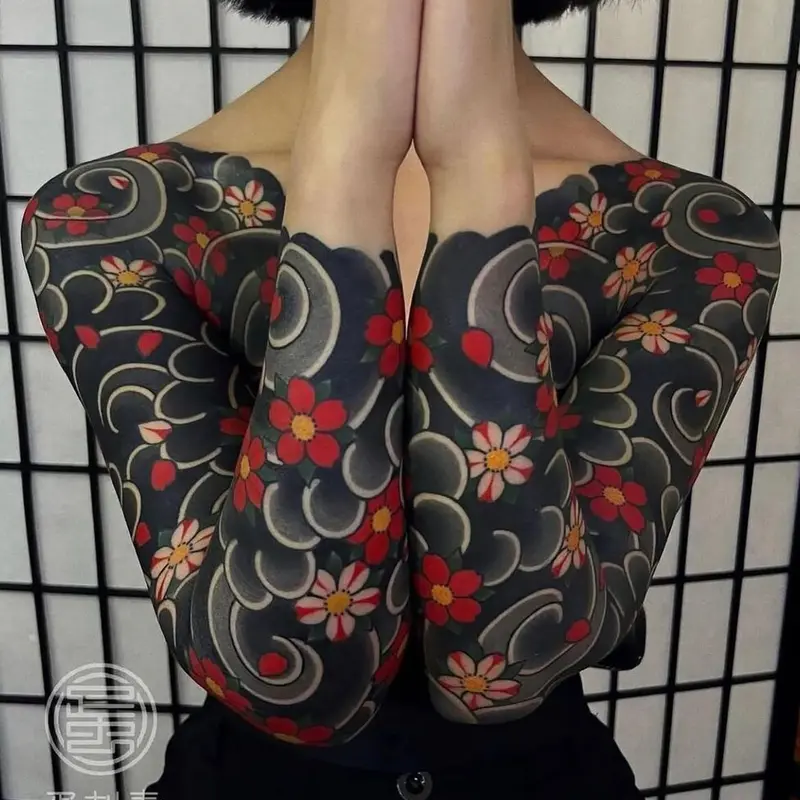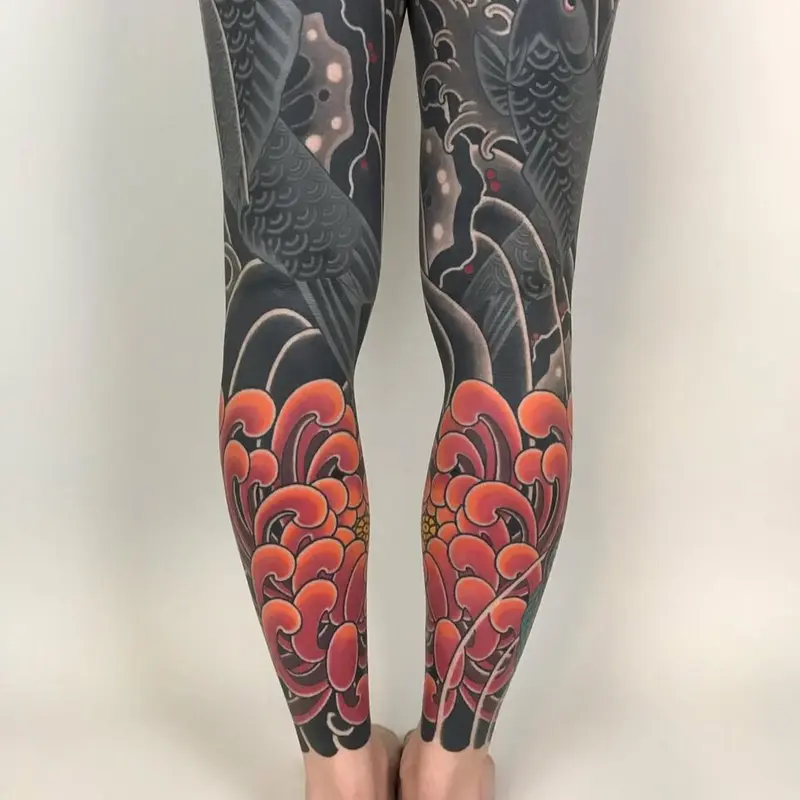
Japanese tattoos, or Irezumi, are a deeply traditional form of tattoo art with centuries of history and cultural significance. Known for their bold lines, vibrant colors, and intricate designs, Japanese tattoos have been a staple in tattoo culture worldwide. These tattoos are more than just designs. They carry deep meanings, cultural symbolism, and represent personal stories.
In this blog, we’ll explore the origins and evolution of Japanese tattoos, the iconic designs and elements involved, and how you can create meaningful, stunning Japanese tattoos that will resonate with your clients. Plus, we’ll show you how Inky´s tools can help streamline the design process, client communication, and tattoo management for Japanese-style tattoos.
What Are Japanese Tattoos?
Japanese tattoos are a traditional tattoo style that has been practiced in Japan for over a thousand years. They are characterized by their large, bold designs that often cover significant portions of the body, such as the back, chest, arms, and legs. Japanese tattoos are not just aesthetically pleasing. They carry deep cultural meanings and are deeply rooted in Japanese history and folklore.
The most iconic Japanese tattoos feature themes like dragons, koi fish, tigers, samurai, and cherry blossoms, each of which carries its own symbolism. The designs are often highly detailed, with intricate linework and vibrant colors, showcasing the artist’s skill and mastery of tattoo techniques.
The Origins of Japanese Tattoos
The history of Japanese tattoos dates back to ancient Japan, where tattoos were used to mark criminals or outcasts, and later became a symbol of protection and spiritual power. Tattoos were initially associated with the lower classes and were even outlawed during the Edo period (1603–1868). However, tattoos eventually gained popularity among the upper classes and became a form of art and self-expression.
During the Meiji period (1868–1912), Japanese tattoos started to be recognized as a form of legitimate art. Artists like Horiuchi, Hokusai, and Horiuchi Tsukioka began to influence the tattoo world with their intricate designs, and the modern style of Japanese tattoos began to take shape.
Japanese tattoos were also influenced by woodblock prints and traditional Japanese art, including the detailed works of artists such as Ukiyo-e. Today, the practice of Irezumi is respected around the world, with many tattoo artists specializing in the style and offering their own interpretations of classic Japanese themes.
Iconic Elements and Designs in Japanese Tattoos
Japanese tattoos are filled with symbolic meanings, and each design element tells a story. Here are some of the most iconic elements in Japanese tattoos and their meanings:
Dragons
Japanese dragons are one of the most popular tattoo motifs and are often depicted in a flowing, serpentine style. They represent wisdom, strength, and protection, and are commonly associated with water, which symbolizes life and regeneration. Unlike Western dragons, Japanese dragons are seen as benevolent creatures.
Koi Fish
Koi fish are symbolic of perseverance, strength, and transformation. In Japanese folklore, koi fish swim upstream, and when they reach the top of a waterfall, they transform into a dragon. The koi tattoo often represents a client’s personal journey or the overcoming of challenges.
Tigers
The tiger is a symbol of strength, courage, and protection in Japanese culture. Tiger tattoos are often placed on the arm or back, symbolizing the wearer’s ability to face adversity and danger. Tigers in Japanese tattoos can also represent the balance between power and restraint.
Cherry Blossoms (Sakura)
Cherry blossoms are a symbol of the fleeting nature of life, representing beauty, impermanence, and the transience of time. These tattoos are often paired with other elements like dragons or koi fish, and the soft pink blossoms provide a stark contrast to the strong, bold designs in Japanese tattoos.
Samurai
The samurai is an iconic symbol of honor, loyalty, and discipline in Japanese culture. Tattoos of samurai often reflect their values and ideals, showcasing the importance of courage and loyalty. The samurai tattoo can be used to symbolize strength, protection, and a warrior’s way of life.
Phoenix
The phoenix in Japanese tattoos represents rebirth, immortality, and the cyclical nature of life. It is often depicted rising from the flames, symbolizing new beginnings after a period of destruction or hardship.
Hannya Mask
The Hannya mask represents a woman who has been consumed by jealousy and rage. Often seen in traditional Japanese tattoo art, the Hannya mask can symbolize the transformation of anger or the consequences of emotional turmoil. It is also a symbol of protection from evil spirits.
Techniques Behind Japanese Tattoos
Japanese tattoos require incredible skill and precision. Here are some of the techniques used to create stunning Irezumi tattoos:
- Bold Linework: One of the key features of Japanese tattoos is the use of bold, clean lines. These lines help define the elements of the tattoo and ensure that the design stands out clearly on the skin.
- Color and Shading: Vibrant colors are a hallmark of Japanese tattoos, with red, green, blue, and black being commonly used to create depth and contrast. The shading is often smooth and gradient, which helps to blend the colors and create a sense of movement within the design.
- Flow and Placement: Japanese tattoos are designed to flow with the body, with large pieces often wrapping around the arm, back, or leg. The design should follow the natural lines of the body, enhancing the client’s physique and the overall composition of the piece.
- Detailing: Japanese tattoos require incredible attention to detail. The small elements, like the scales of a koi fish or the texture of a dragon’s claws, require a steady hand and precise technique to achieve a realistic and visually striking effect.
Inky Tip: Encourage clients who are interested in Japanese tattoos to explore your portfolio using Inky´s Portfolio Builder. This allows them to see the scope of your work and gives them a clearer idea of your skill level in creating detailed, flowing designs.
Popular Placement Areas for Japanese Tattoos
Japanese tattoos often cover large areas of the body, allowing for detailed and dynamic designs that wrap around the natural curves of the body. Here are some of the most popular placements:
- Full Sleeves: Japanese tattoos look stunning on full sleeves, where they can wrap around the arm and incorporate flowing elements like waves, clouds, and fire. These designs allow the artist to showcase their skill in creating dynamic compositions.
- Back Pieces: The back is a large canvas that allows for intricate designs, such as a dragon or samurai, that can flow from the upper back down to the lower back.
- Chest Pieces: Chest tattoos are another popular choice for larger Japanese designs, where elements like cherry blossoms, koi fish, and tigers can be spread across the chest and into the shoulders.
- Thighs and Legs: Large Japanese designs can also be placed on the legs, allowing for full thigh tattoos or lower leg pieces that incorporate elements like waves, flowers, or dragons.
How Inky Can Help with Japanese Tattoo Designs
As a tattoo artist, managing the design and communication process for Japanese tattoos requires precision and attention to detail. Here’s how Inky’s tools can help streamline the process:
- Client Profiles: Use Inky’s Client Profiles to track design preferences, past tattoos, and specific details for Japanese tattoo designs. This helps ensure that every tattoo is personalized and unique.
- Portfolio Builder: Showcase your best Japanese tattoos with Inky’s Portfolio Builder. This allows clients to explore your work, get inspired by your past designs, and set clear expectations for their own tattoos.
- Session Tracking: Large Japanese tattoos often require multiple sessions. Inky’s Session Tracking helps you manage and communicate session progress with your clients, ensuring transparency and minimizing confusion.
Conclusion: Master the Art of Japanese Tattoos
Japanese tattoos are not just tattoos—they are deeply rooted in cultural meaning, tradition, and artistry. Whether you’re an artist specializing in Irezumi or a client seeking a bold, meaningful design, Japanese tattoos offer a way to express personal stories and cultural pride through vibrant, intricate artwork.
With Inky’s features, you can manage your Japanese tattoo process more efficiently, enhance your client communication, and continue creating incredible designs that leave a lasting impact