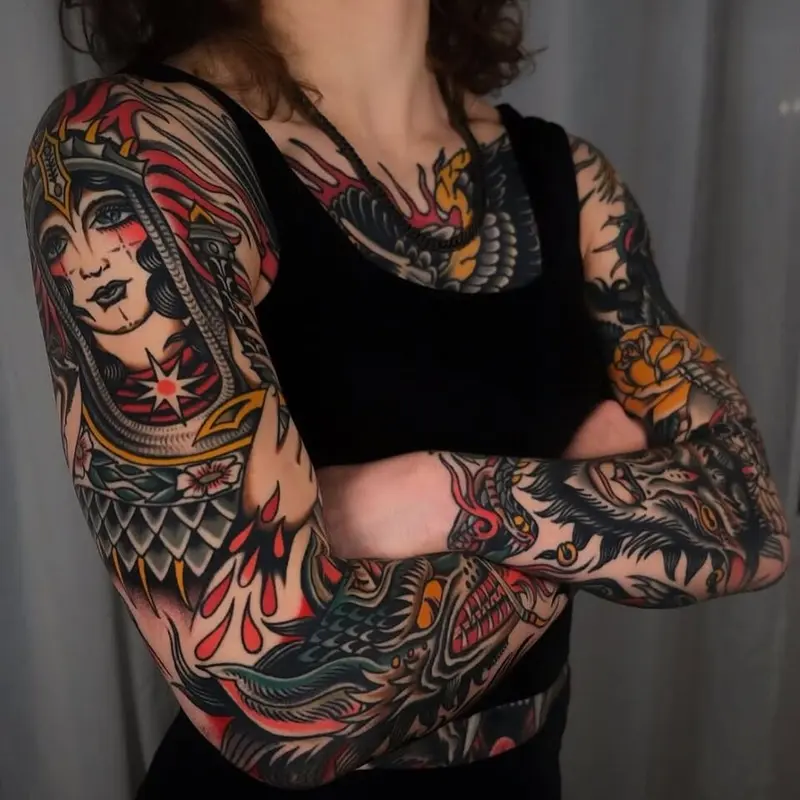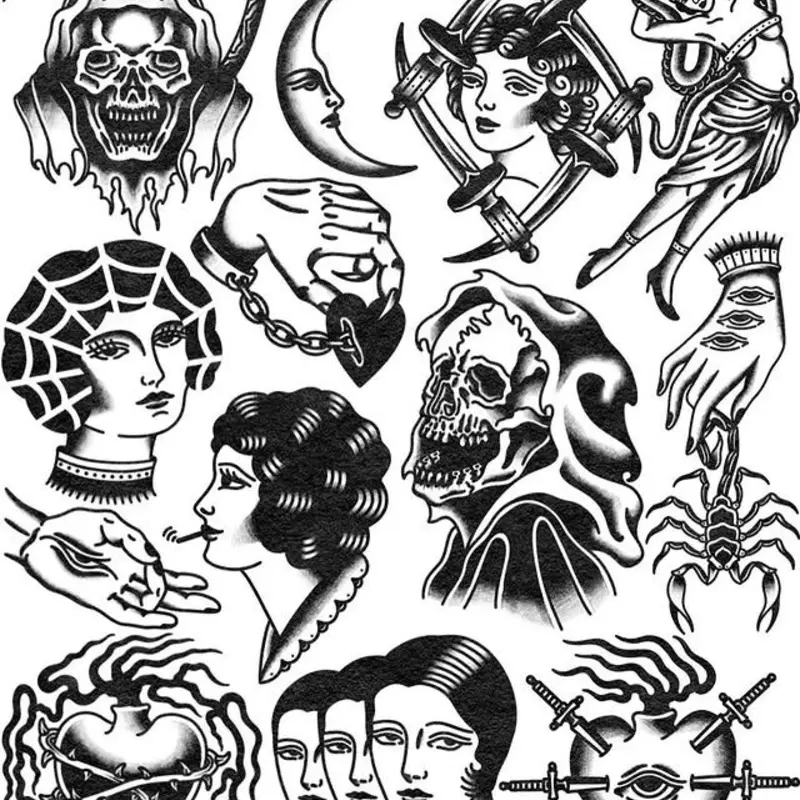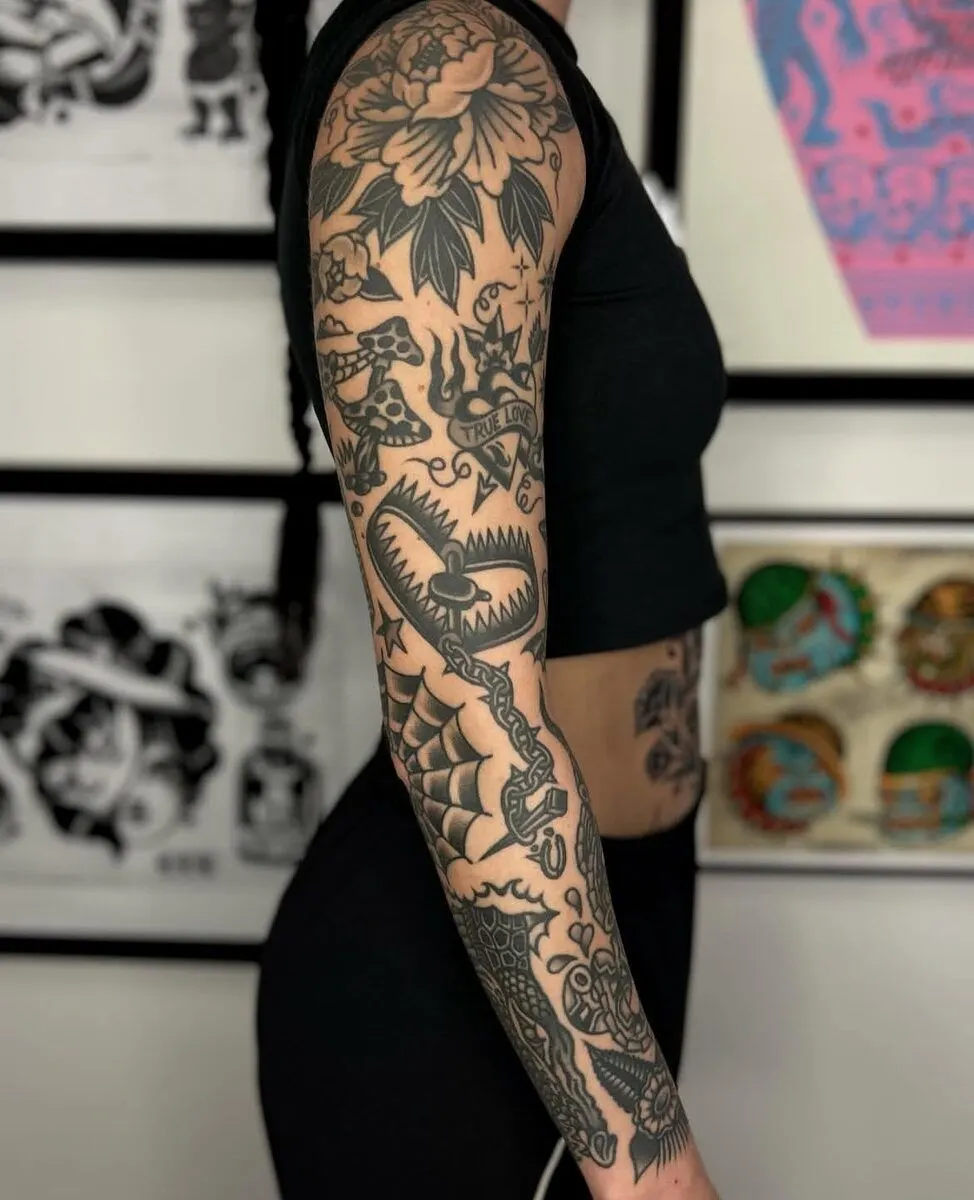
Traditional tattoos, also known as American Traditional or Old School tattoos, are among the most iconic and enduring tattoo styles in the world. Known for their bold lines, solid colors, and simple yet powerful designs, traditional tattoos have stood the test of time, remaining popular for over a century. Whether you’re a tattoo artist looking to perfect the style or a client seeking a classic design, understanding the elements of traditional tattoos is essential for creating a bold and lasting piece.
In this blog, we’ll explore the history of traditional tattoos, the key elements that define the style, and how you can create stunning tattoos that carry on the legacy of this classic tattoo form. Plus, we’ll show you how Inky’s tools can help streamline your tattoo design process, enhance client communication, and elevate the traditional tattoo experience.
What Are Traditional Tattoos?
Traditional tattoos are defined by their bold outlines, solid color palettes, and straightforward designs. These tattoos typically feature iconic motifs like roses, skulls, anchors, eagles, and daggers. The focus is on clarity and impact, with minimal shading and simple yet striking imagery.
The traditional tattoo style is deeply rooted in American tattoo history, emerging in the early 20th century, and it’s characterized by its timeless appeal. Unlike modern styles that often incorporate intricate details or fine lines, traditional tattoos emphasize bold simplicity, making them instantly recognizable and enduring.
The Origins of Traditional Tattoos
Traditional tattoos, as we know them today, can trace their roots to the early days of American tattooing. The style was popularized by tattoo pioneers like Norman “Sailor Jerry” Collins, who combined elements of Western and Eastern tattoo art to create iconic designs that have shaped the tattoo industry.
The classic American traditional tattoo style became synonymous with sailors and the military, but it quickly spread to other subcultures and gained widespread popularity in the 1930s and 1940s. Tattoo artists such as Don Ed Hardy and Lyle Tuttle helped cement the traditional tattoo as a symbol of American culture and rebellion.
Traditional tattoos remained popular because of their boldness, clarity, and universal appeal. They’ve stood the test of time and remain as relevant today as when they were first created.
Key Features of Traditional Tattoos
Traditional tattoos are known for their distinctive look, which is built upon a few key elements. These include:
Bold Linework
One of the most defining characteristics of traditional tattoos is the use of bold, thick black lines. These lines are used to define the shape of the tattoo and create a sharp contrast with the colors. The heavy use of black outlines ensures that the design remains clear and visible even as the tattoo ages.
Solid, Vibrant Colors
Traditional tattoos make use of a limited color palette, typically consisting of primary colors like red, yellow, green, and blue. These colors are applied in solid blocks, with little to no shading. The use of flat colors ensures that the tattoo remains bold and eye-catching.
Iconic Motifs
Traditional tattoos often feature a set of iconic, easily recognizable designs. Some of the most common motifs include:
- Roses: Symbolizing love and beauty, roses are one of the most popular designs in traditional tattoo art.
- Skulls: Skulls represent death, mortality, and rebellion. They’re often paired with other elements like roses or daggers.
- Anchors: Symbolizing stability and hope, anchors are commonly associated with sailors and the idea of staying grounded.
- Eagles: The eagle represents freedom and strength, and it’s often featured in traditional American tattoos.
- Daggers: Daggers represent strength, danger, and protection, often paired with roses or other symbols of contrast.
Simplified Designs
Traditional tattoos are known for their simplicity. Unlike modern tattoo styles, which may use intricate details or complex shading, traditional tattoos are designed to be clear and impactful with minimal elements. The designs often have a flat appearance, with little to no use of gradients or subtle shading.
Techniques Behind Traditional Tattoos
Creating traditional tattoos requires a mastery of the core elements that define the style. Here are some of the techniques used to create these timeless designs:
- Bold Linework: The thick black outlines used in traditional tattoos are essential to the style’s clean, graphic look. Tattoo artists need a steady hand and precision to create bold, confident lines that define the tattoo’s shape and form.
- Solid Color Application: Traditional tattoos use solid colors with no gradients. The tattoo artist applies each color in flat blocks, ensuring that the design remains vibrant and bold. This requires skill and precision to avoid uneven color application.
- Minimal Shading: While traditional tattoos do incorporate some shading, it is minimal. Shading is typically used only to add a bit of depth or dimension to the design. The focus remains on the clarity of the tattoo and the use of bold lines and solid colors.
Inky Tip: Encourage clients interested in traditional tattoos to explore your portfolio using Inky’s Portfolio Builder. This gives them a clear sense of your style and technique, ensuring they are aligned with your approach to traditional tattooing.
Popular Placement Areas for Traditional Tattoos
Traditional tattoos are often larger pieces that require significant space to showcase their bold lines and vibrant colors. Here are some common placements for traditional tattoos:
- Arms and Sleeves: Full sleeves are one of the most popular placements for traditional tattoos. The bold lines and iconic designs work well on the arm, allowing for a fluid composition that wraps around the arm.
- Back Pieces: Traditional tattoos on the back provide a large canvas for bold, iconic designs like eagles, skulls, or ships. Full-back tattoos allow for expansive designs that flow seamlessly across the entire back.
- Chest Pieces: The chest is another ideal placement for traditional tattoos, allowing for large, symmetrical designs. Classic motifs like roses, anchors, and daggers work well on the chest, often framed by the natural lines of the body.
- Thighs and Legs: The legs and thighs are great areas for traditional tattoos, allowing for larger designs or full leg sleeves. Traditional tattoos on the thighs can showcase powerful, intricate designs that stand out.
- Hands and Neck: Smaller traditional tattoos can be placed on the hands or neck, allowing for bold, simple designs that are highly visible and eye-catching.
How Inky Can Help with Traditional Tattoo Designs
Creating traditional tattoos requires skill, precision, and effective client communication. Here’s how Inky’s tools can help you streamline the design process:
- Client Profiles: Use Inky’s Client Profiles to keep track of design preferences, placement ideas, and specific requests for traditional tattoos. This ensures that each design is tailored to the client’s style and vision.
- Portfolio Builder: Showcase your best traditional tattoos with Inky’s Portfolio Builder. This allows clients to browse your past work and gives them a clear sense of the designs you specialize in.
- Session Tracking: Traditional tattoos often require multiple sessions due to their size and detail. Use Inky’s Session Tracking to keep clients informed about progress, pricing, and the timeline for their tattoo.
Why Choose Traditional Tattoos?
Traditional tattoos offer a timeless aesthetic that blends boldness, simplicity, and symbolic meaning. These tattoos are ideal for clients who want something classic, bold, and instantly recognizable. Here’s why traditional tattoos remain so popular:
- Timeless Design: The bold, iconic motifs used in traditional tattoos ensure that the designs remain relevant for years to come. They have stood the test of time and remain popular across generations.
- Bold and Impactful: Traditional tattoos are all about making a statement. Their strong outlines and vibrant colors make them eye-catching and easy to spot, ensuring that the design stands out.
- Personal Meaning: Many traditional tattoo motifs, like roses, anchors, and skulls, carry personal and cultural significance. These tattoos often reflect the wearer’s values, experiences, or beliefs.
How Inky Can Enhance Your Traditional Tattoo Experience
As a tattoo artist, traditional tattoos provide a fantastic opportunity to showcase your skill and creativity. With Inky’s tools, you can streamline your workflow, track client preferences, and ensure that each traditional tattoo is executed with precision. From portfolio management to session tracking, Inky makes managing traditional tattoos easier than ever.
Conclusion: The Bold Art of Traditional Tattoos
Traditional tattoos are a bold, timeless form of tattoo art that never goes out of style. Whether you’re an artist perfecting your craft or a client interested in classic designs, understanding the history and techniques behind traditional tattoos is crucial for creating a design that lasts. With Inky’s tools, you can simplify the process, enhance client communication, and create stunning traditional tattoos that leave a lasting impact.
Ready to bring the boldness of traditional tattoos to life? Start using Inky today and take your tattoo artistry to the next level. With Inky’s features, you can manage your traditional tattoo process more efficiently, enhance your client communication, and continue creating incredible designs that leave a lasting impact